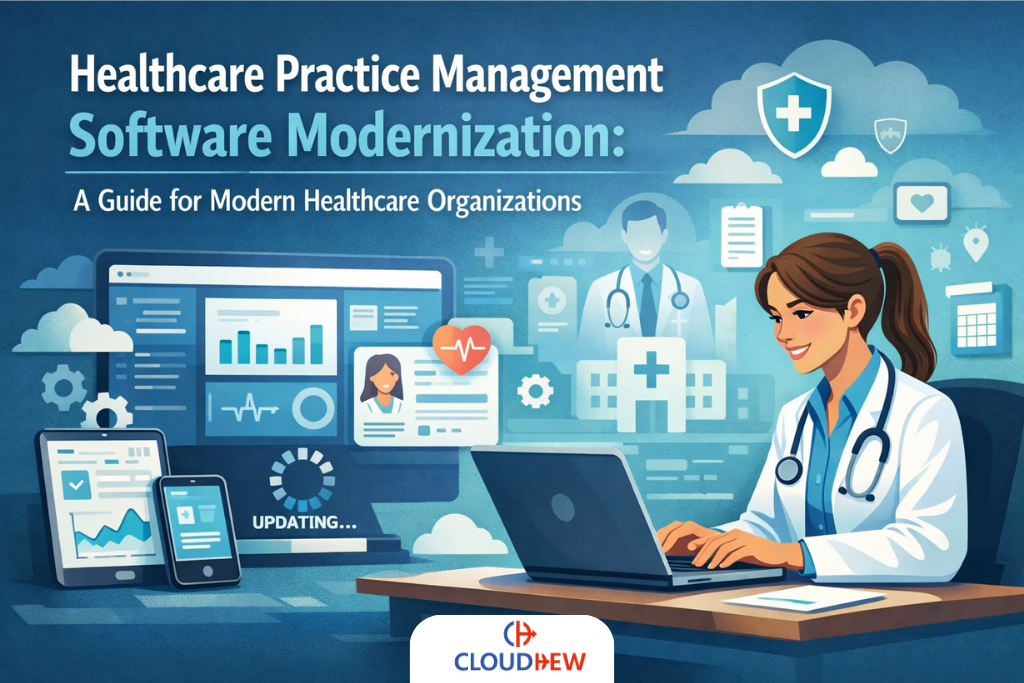

The current healthcare practices are operating in a rapidly changing digital world. Whether it is patient satisfaction, regulatory requirements, operational efficiency, or financial viability, the demands on healthcare organizations have never been greater.
At the forefront of these challenges is practice management software (PMS), the system that manages scheduling, billing, patient administration, reporting, and overall practice operations. Unfortunately, many healthcare organizations are still using outdated practice management software systems that were designed many years ago and are no longer capable of supporting modern healthcare operations.
At CloudHew, we assist healthcare organizations in modernizing practice management software in a manner that improves efficiency, reduces costs, enhances compliance, and optimizes the patient experience without impacting practice operations.
In this blog, we discuss what healthcare practice management software modernization entails, why it is required, its benefits, approaches to modernization, and how healthcare organizations can successfully modernize their practice management software.
What Is Healthcare Practice Management Software Modernization?
Healthcare practice management software modernization is the process of upgrading, transforming, or re-engineering existing practice management software systems to support modern healthcare practice operations and requirements.
Practice management software systems generally include the following functionalities:
- Scheduling
- Patient registration and eligibility verification
- Billing, coding, and claims management
- Provider credentialing
- Reporting and compliance
- Patient communication
Modernization is more than just a version upgrade. It can include:
- Converting from traditional on-premise systems to cloud-based systems
- Upgrading outdated graphical user interfaces
- Enhancing system performance and scalability
- Integrating with EHR systems, payer systems, and other third-party tools
- Automating manual business processes
- Enhancing security and compliance
The goal is to make sure that the practice management system is supporting growth, efficiency, and quality patient care and not hindering it.
Why Should Healthcare Organizations Upgrade Practice Management Software?
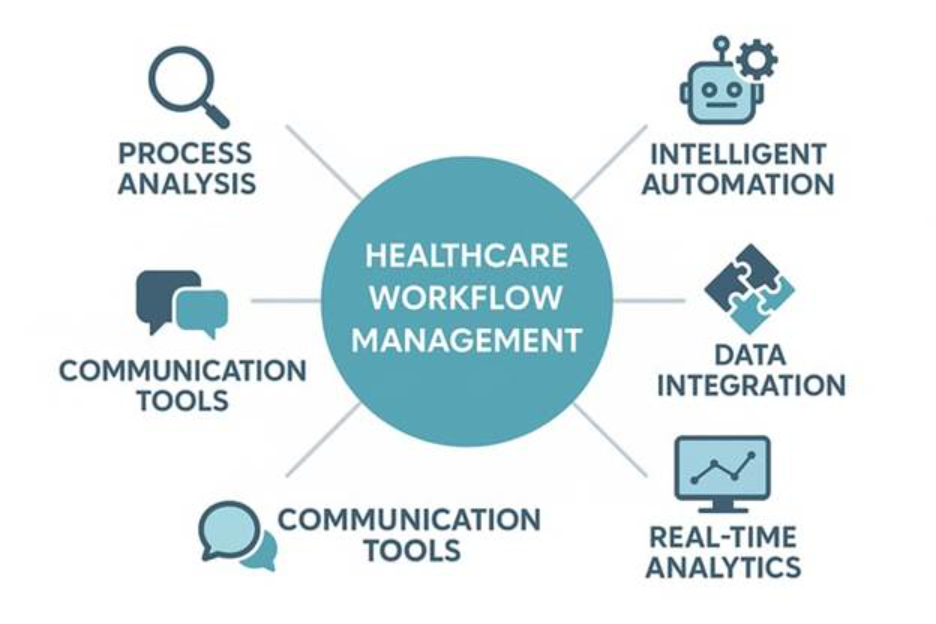
Healthcare organizations tend to put off upgrading practice management software until it becomes absolutely necessary. However, outdated practice management software systems cause continuous problems that affect the organization directly.
- Inefficient Administrative Operations
Outdated practice management software systems tend to be manual, redundant, and modular. This causes healthcare staff to spend too much time on appointments, billing, and follow-ups.
Consequence:
- More administrative work
- Higher operational expenses
- Staff exhaustion
- Revenue Cycle Delays
Outdated billing systems do not have real-time validation and automation, causing denied claims, delayed payments, and lost revenue.
Consequence:
- More denied claims
- Slower payments
- Unpredictable cash flow
- Lack of System Integration
Outdated practice management software systems have difficulty integrating with contemporary healthcare systems like EHRs, telemedicine systems, laboratories, and analytics solutions.
Consequence:
- Data fragmentation
- Inconsistent data between systems
- Poor operational visibility
- Security and Compliance Issues
Outdated practice management software systems do not have the latest security features, encryption, and audit trails necessary for healthcare compliance.
Consequence:
- Increased risk of data breaches
- Compliance issues
- Loss of patient confidence
- Poor Patient Experience
Patients today demand digital convenience, online scheduling, automated reminders, fast billing, and secure portals. Outdated systems are not equipped to handle this.
Consequence:
- Poor patient satisfaction
- Increased appointment no-shows
- Reduced patient retention
Key Benefits of Healthcare Practice Management Software Modernization
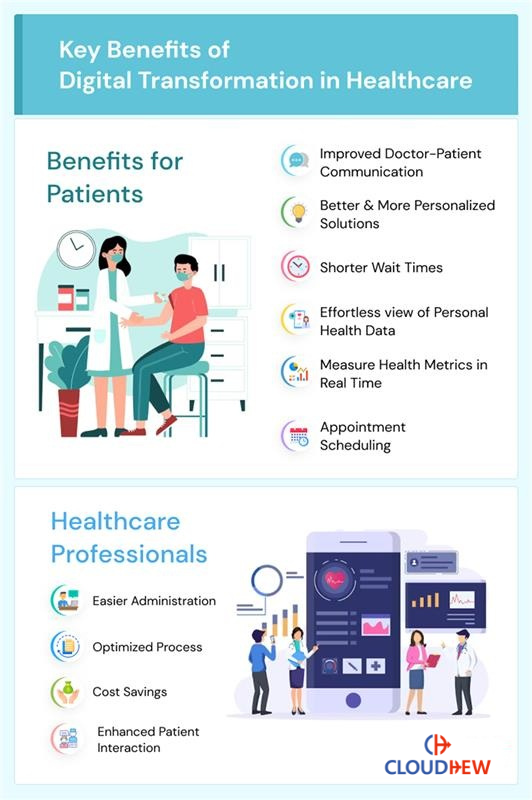
Modernizing practice management software brings numerous benefits to the healthcare industry.
- Improved Operational Efficiency
Automation of appointment confirmations, eligibility verification, and follow-up communications.
Outcomes:
- 30–40% decrease in administrative burden
- Enhanced patient onboarding
- Increased staff productivity
- Better Revenue Cycle Management: Modernized software includes automated billing verification, coding assistance, and claim validation.
Outcomes:
- 15–25% decrease in denied claims
- Shorter reimbursement cycles
- Improved revenue integrity
- Improved Patient Engagement
Modern PMS solutions include patient engagement portals, automated reminders, and self-service scheduling.
Outcomes:
- Decreased no-shows
- Increased patient satisfaction
- Enhanced communication
- Scalability and Flexibility
Cloud-based solutions are easily scalable to meet the needs of expanding practices and new locations.
Outcomes:
- No infrastructure constraints
- Rapid growth and expansion
- Increased system uptime
- Enhanced Security and Compliance
Modern solutions are designed with security and compliance in mind.
Outcomes:
- Decreased security breaches
- Audit-ready systems
- Improved regulatory compliance
Common Methods of Practice Management Software Modernization
There are several methods of modernizing practice management software in the healthcare industry.
- Rehosting (Lift and Shift)
Migrating existing systems to the cloud without significant changes.
Best for: Rapid cloud migration
Shortcomings: Inadequate long-term optimization
- Replatforming
Optimizing databases and infrastructure for cloud performance.
Best for: Improved scalability and reliability
- Refactoring
Optimization of system code for improved performance and maintainability.
Best for: Improved performance and maintainability
- Re-architecting
Applying new architectures like microservices to the system.
Best for: Future-proof healthcare systems
- Full System Replacement
Replacing the legacy PMS with a new system.
Best for: Very old and unsupported systems
How to Effectively Modernize Practice Management Software
- Analyze the Current System
Assess the system’s functionality, performance, and any security gaps.
- Establish Business Goals
Align the modernization effort with goals such as improving efficiency, reducing costs, or enhancing the patient experience.
- Select the Best Modernization Method
Choose the method that matches your organization’s needs, balancing risk, cost, and long-term benefits.
- Plan Data Migration and Integration
Securely transfer data and ensure integration with existing tools like EHRs.
- Modernize User Experience
Design intuitive interfaces that encourage adoption and reduce training.
- Test for Performance and Compliance
Run tests to ensure the system meets both operational and regulatory standards.
- Roll Out in Phases
Implement changes gradually to minimize disruption.
- Monitor and Optimize
Track performance metrics and refine workflows continuously.
Why Choose CloudHew?
Healthcare businesses choose CloudHew for modernization that is clear, in control, and results-oriented.
- Cloud, data, and AI-enabled systems expertise
- Healthcare security and compliance orientation
- Effective modernization methodologies
- Disruption-free operations
- Results-oriented delivery, not pilots
Conclusion
Modernization of healthcare practice management software is no longer a choice. It is a necessity for healthcare organizations that aim to increase efficiency, safeguard revenue, ensure regulatory compliance, and provide a better patient experience.
Modernizing your PMS helps your healthcare organization function more efficiently in the present and stay ahead in the future.
If your existing practice management software is hindering the growth of your practice, it is the right time to modernize.
Ready to Modernize Your Practice Management Software?
Get in touch with CloudHew’s healthcare modernization experts to create a secure, scalable, and future-proof practice management software solution.